Best Spa Treatments NYC
In New York City, you'll get dermatologist-guided facials designed for your skin type, tone, and goals—think Hydrafacial for quick luminosity, LED for acne/redness, microcurrent for lift, and lymphatic drainage to de-puff. Providers map one primary goal, screen for contraindications, and use research-driven, pigment-safe actives with minimal downtime. Expect precise protocols, extended hours, and clear pre/post care (stop retinoids, SPF after). You'll leave moisturized, brighter, and camera-ready—and you'll discover how to choose treatments, schedule maintenance, and support results at home.
Main Points
Why NYC Stands Out as the Ultimate Facial Destination
Even though great facials exist everywhere, New York City sets itself apart for its incomparable concentration of expertise, innovation, and access. You receive a dense network of board-licensed estheticians, dermatologist-led spas, and data-driven protocols guided by hospital affiliations and biotech startups. NYC's cultural diversity ensures techniques from K-beauty to European lymphatic methods are available and adapted to your skin type and tone. During fashion week, practitioners develop fast-recovery strategies that decrease downtime while delivering camera-ready results—approaches you can receive year-round. You'll also access advanced devices verified through clinical data, plus clean formulations validated by ingredient transparency standards. With extended hours, multilingual staff, and seamless coordination with medical providers, you receive exact, safe treatments reinforced by evidence and real-world performance in a demanding city.
How to Select the Perfect Facial for Your Skin Objectives
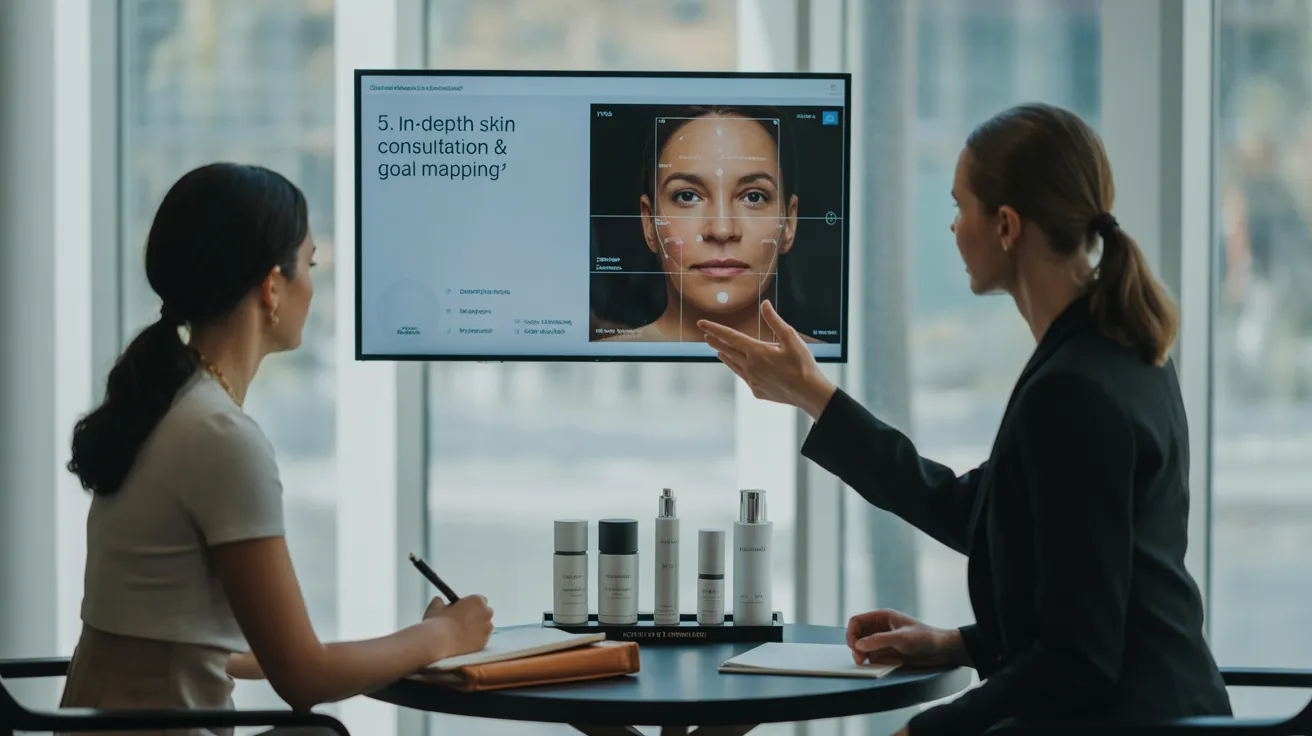
Given the tremendous expertise and technology at your fingertips in NYC, the next step is matching treatments to your unique concerns, skin type, and acceptance of downtime. Start with a detailed skin consultation. Share your history (sensitivity, acne, rosacea, melasma), current products, and any medications such as retinoids or isotretinoin. Ask your specialist to conduct goal mapping: define one primary goal (clarity, hydration, firmness, brightening) and one secondary goal.
When dealing with breakout-prone skin, opt for non-comedogenic protocols and gentle exfoliation. For hyperpigmentation, consider professional-grade acids and pigment-safe actives. Those with sensitive skin should prioritize barrier-first approaches and minimal fragrance. If collagen support is your aim, consider approaches that stimulate dermal remodeling, balanced with sufficient rest intervals. Confirm contraindications, expected results, and a realistic series plan. Coordinate budget, frequency, and at-home maintenance to sustain results.
Hydrafacial: Deep Clean, Immediate Radiance
You'll receive a Hydrafacial that utilizes a precise vacuum-assisted tip to purify, exfoliate, clear congestion, and infuse targeted serums in one unified treatment. Evidence shows this method enhances hydration, minimizes pores, and improves texture with no recovery time. You can expect an instant glow—skin feels brighter and smoother right after, making it excellent before events or as part of a ongoing care plan.
How the Hydrafacial Process Works
As Hydrafacial is engineered for both instant radiance and skin health, it follows a exact, three-step protocol: clean/exfoliate, extract, and infuse. Initially, your provider glides a patented tip that removes dead cells while delivering gentle acids to loosen debris. This prepares pores without harsh scrubbing.
Subsequently, extraction mechanics begin their work. The device's vortex suction creates a controlled vacuum that dislodges sebum, makeup residue, and micro‑impurities from congested areas, minimizing manual pressure and minimizing trauma. Solutions in the handpiece hold debris suspended, serving to prevent re-deposition on your skin.
Ultimately, the system delivers targeted actives—antioxidants, peptides, and hydrating humectants—using the same channel. This coordinated delivery supports barrier function and optimizes ingredient penetration. Your clinician adjusts tip intensity and serum selection to align with your skin type, sensitivities, and goals.
Immediate Glow Advantages
This three-step protocol shows benefits the moment the handpiece lifts—skin appears clearer, light reflects more evenly, and pores look tighter. You notice immediate radiance because Hydrafacial simultaneously purifies, exfoliates, and website infuses targeted actives without irritation. By removing surface sebum and dead cells, it decreases scatter and lets healthy skin reflect light, so your complexion appears bright, not shiny.
Vortex-extraction clears debris while moisturizing compounds restore the barrier, reducing the appearance of fine lines and dryness. Then glow boosting serums—typically antioxidants, peptides, and low-weight hyaluronic acid—sink in more effectively, supporting microcirculation and plumpness. Most clients leave makeup-optional, and results are consistent across all skin types, including sensitive and acne-prone. Expect a smooth feel, refined texture, and a visible, camera-ready glow that lasts for days.
LED Treatment for Acne and Redness
Despite being gentle and noninvasive, LED light therapy targets acne and redness with clinically supported wavelengths that reduce inflammation and clear skin. In treatment, blue light diminishes acne-causing bacteria on the skin's surface and deep in pores, decreasing breakout frequency without irritating the skin. Red light works at deeper levels to manage inflammation, promote circulation, and promote collagen activity that improves healing and protective barrier strength.
You'll recline under calibrated panels while your treatment provider customizes intensity and duration for your skin type, Fitzpatrick level, and current concerns. Sessions pair well with extractions and restorative serums to improve results and decrease post-treatment redness. Expect no downtime—just a progressive reduction in blemishes and visible flushing over multiple sessions. Steady treatment timing and diligent sun care help you keep calmer, clearer skin between appointments.
Microcurrent Facial Sculpting for Lift and Tone
You'll feel gentle, low-level electrical currents working on facial muscles, promoting ATP production and collagen activity for a firmer, sculpted look. Clinical studies and customer feedback reveal enhanced contour, reduced puffiness, and mild wrinkle softening, commonly after a series with ongoing appointments. You're an ideal candidate if you want noninvasive lift and have no contraindications like pregnancy, pacemakers, or epilepsy; we'll tailor frequency, hydration, and post-care (sunscreen use, no retinoids for 24 hours) to preserve results.
The Way Microcurrent Works
Discover microcurrent: a low-level, electrical energy that mirrors your body's natural bioelectricity to energize facial muscles and refresh skin function. In treatment, your provider moves conductive spheres across mapped vectors, delivering exact currents measured in microamps. You'll feel a gentle tingling as the current targets motor points for targeted facial toning.
Microcurrent functions by promoting ATP production, which drives cell activation and protein synthesis. With enhanced ATP, fibroblasts are primed to generate structural proteins, and skin cells improve ion exchange and hydration balance. The current also promotes lymphatic flow and microcirculation, enabling tissues absorb oxygen and nutrients while decreasing stagnation.
Equipment is calibrated to stay subsensory and secure, respecting skin integrity and muscle physiology. Your session customizes intensity, polarity, and timing to correspond to your goals and skin tolerance.
Benefits and Outcomes
With the how in place, it's time to look at what microcurrent sculpting delivers: a lifted, more contoured look with enhanced muscle tone and smoother contours. You can expect a subtle "post-treatment lift" instantly, with tighter cheeks, a more defined jawline, and smoother nasolabial areas. Studies show mild electrical currents can boost ATP and stimulate collagen and elastin activity, which contributes to enhance texture and diminish the appearance of fine lines.
Outcomes compound with a series, refining facial symmetry and contour retention between sessions. Circulation enhancements may revitalize dullness and diminish puffiness, while lymphatic support helps detoxify. Clients also report stress relief from the calming, rhythmic application, leaving you relaxed and revitalized. As definition develops, your skin confidence grows, supported by measurable tone and dependable, camera-ready radiance.
Optimal Candidates and Care
While microcurrent is soft, it's most ideal if you have slight to medium laxity, early jowl relaxation, softened cheek definition, or fine lines and you want noninvasive lift and tone without downtime. You're also a good candidate if you're not pregnant, don't have a pacemaker, and aren't susceptible to seizures. With acne or rosacea, we'll adapt settings to respect sensitive conditions and minimize flare risks.
For ideal results, concentrate on smart skin preparation: come well-hydrated, steer clear of retinoids and exfoliants 24–48 hours in advance, and postpone neuromodulator or filler plans for at least two weeks after your session. Anticipate a series—typically six to ten sessions—then maintenance routines every 4–6 weeks to sustain your lift. Support collagen via protein, sleep, SPF, and gentle lymphatic massage between sessions.
Chemical Peels: From Gentle Glow to Pro-Level Resurfacing
Even if you've tried facials before, chemical peels offer a targeted approach to smooth texture, fade discoloration, and increase radiance by accelerating controlled exfoliation of the epidermis. In NYC spas, clinicians pair acids and concentrations to your objectives, skin type, and tolerance, then track peel depth in real time. Superficial peels (AHAs, low-strength BHAs) revitalize dullness with minimal downtime; medium options (TCA blends, Jessner) treat pigment and fine lines; deeper resurfacing addresses etched wrinkles and acne scars.
Your provider evaluates Fitzpatrick type, medications, and barrier health, and determines neutralization timing to cease activity in a safe and consistent manner. Expect a prep phase, precise application, and sunscreen-centered aftercare. You'll notice brighter tone within days; cumulative sessions improve pores and texture while decreasing post-inflammatory hyperpigmentation risk.
Lymphatic Drainage & Facial Massage Methods
You may utilize lymphatic drainage to minimize puffiness, enhance circulation, and encourage a clearer complexion—benefits confirmed by small clinical studies on edema and microcirculation. In the spa, your esthetician utilizes light, directional strokes and gentle holds that align with lymph pathways while preventing excessive pressure. When practicing at home, you'll replicate these patterns with clean hands or a tool, keeping movements gradual toward the ears and collarbones, and ceasing if you notice discomfort or irritation.
Benefits of Lymphatic System Drainage
Although facials frequently concentrate on exfoliation and hydration, focused lymphatic drainage offers a unique kind of benefit: de-puffing, boosted circulation, and a more radiant, calmer complexion. You'll observe reduced fluid retention around the eyes and jawline as stagnant lymph moves through your detox pathways. By supporting immune modulation, this technique enables your skin manage environmental stressors and breakouts with less reactivity.
Anticipate subtler but meaningful shifts: improved tone, faster recovery after treatments, and diminished appearance of congestion-related redness. Clients with seasonal allergies or travel-related swelling often notice visible relief within 24–48 hours. Because lymph lacks its own pump, guided movement promotes efficient waste clearance and nutrient delivery. With consistent sessions, you develop cumulative benefits—more stable barrier function, more even texture, and better product absorption—so your results last beyond the treatment room.
Hands-On Massage Techniques
Start with deliberate touch: manual lymphatic drainage combined with facial massage utilizes soft, purposeful strokes to move interstitial fluid, reduce muscle tension, and improve microcirculation without inflaming the skin. Your esthetician examines lymph node pathways and skin reactivity, then employs featherweight traction toward preauricular and submandibular points to promote decongestion. Pressure variation is intentional: lighter force over delicate periorbital tissues, somewhat deeper along temporalis and masseter to release myofascial restriction without compromising capillaries.
They incorporate texture mapping to pinpoint congestion, edema, or adhesions, modifying glide, pace, and vector. Strokes stay slow, continuous, and rhythmic to boost parasympathetic tone and barrier integrity. Expect exact sequencing—from sternum and neck priming to facial drainage—so fluids have a clear exit route, lessening post-treatment puffiness and optimizing glow.
Self-Massage Guidelines for Home
Commencing with consistent, simple routines, at-home lymphatic drainage and facial massage can reduce puffiness, ease jaw and brow tension, and enhance skin radiance between spa visits. Start with cleansing, apply a slip (a lightweight oil such as squalane), and use gentle pressure. With flat fingers, stroke from the center of your face to the ears, then down the sides of your neck to the collarbones to promote drainage. Make small circles along the jaw, temples, and brows to ease overworked muscles.
When jade rolling, commence at the neck area and move upward and outward on the cheeks and forehead; use light pressure to avoid skin irritation. Facial cupping requires soft silicone cups, minimal suction, and steady glides—never stationary holds. Limit sessions to 5–10 minutes, 3–4 times weekly. Stay away from compromised skin, active acne, or freshly injected filler areas.
Clean Beauty and Ingredient-Forward Protocols
Because skin reacts best to what it knows, clean beauty facials in NYC concentrate on ingredient-forward approaches that prioritize transparent formulations, clinically proven actives, and reduced irritants. You'll see estheticians prefer clean formulations with short, readable labels and verified concentrations of vitamin C, niacinamide, peptides, ceramides, and gentle exfoliants like lactic acid. They avoid sensitizers—fragrance, drying alcohols, and unnecessary dyes—while maintaining ingredient transparency so you can track what touches your skin.
Your treatment often begins with a patch test, then layers targeted actives based on your barrier status and objective: illuminate, soothe, or perfect. Professionals modify pH and contact time to reduce irritation while preserving results. You'll receive a clear plan: what to continue, what to replace, and how to monitor tolerance.
Climate-Based Skin Care Tips for Manhattan Dwellers
Throughout the year, NYC's microclimates—subway heat, wind tunnels, office HVAC, and humid summers—strain your skin barrier in multiple ways, so your skincare approach should change with the seasons. In winter, prioritize wintertime hydration with ceramide-rich masks and humectants, then lock in with occlusives to reduce TEWL. Spring can trigger seasonal allergies; go with soothing facial treatments with botanicals compatible with antihistamines plus barrier-restoring serums. Summer requires defenses against city pollution: oxygenating treatments, antioxidant-rich cleansing, and non-comedogenic SPF protocols. In fall, focus on seasonal exfoliation to regulate turnover—opt for enzymes or mild acids, tailored to your skin type and sensitivity level.
Regardless of the season, inquire about pH-balanced cleansers, microbiome-supportive actives, and patch testing when adding new ingredients. Your esthetician should tailor modalities to your environment, commute, and skin data, ensuring results trackable and irritation limited.
What You Can Expect Throughout Your Facial
Prior to your appointment, you'll complete a brief intake and share drugs, allergies, and recent treatments so your esthetician can establish safe parameters. Adhere to the preparation timeline: pause retinoids three to five days before, skip waxing or exfoliating forty-eight to seventy-two hours prior, and show up makeup-free. Stay hydrated and bring your current routine for review.
During your facial treatment, your esthetician will evaluate the skin under magnification, purify, exfoliate, steam as appropriate, and complete extractions only if indicated. You may get targeted modalities, including enzymes, chemical peels, LED, or massage, based on your goals and tolerance.
After the procedure, expect mild redness for a couple of hours. Employ recommended post care products: a gentle cleanser, barrier-restoring moisturizer, and broad-spectrum SPF 30+. Refrain from heat, workouts, and exfoliants for 24 to 48 hours. Schedule a follow-up visit based on your personalized plan.
FAQ
Are Facials Hsa/Fsa Eligible or Eligible for Insurance Coverage in NYC?
Typically, facials are not HSA eligible items, not qualified for FSA reimbursement, and not covered by insurance in NYC when they're for cosmetic purposes. You may use HSA/FSA funds only if a licensed medical provider considers the treatment medically necessary (such as treating acne or dermatitis) and creates a Letter of Medical Necessity. Obtain documentation from your dermatologist, confirm plan regulations, and retain itemized receipts. For insurance purposes, check CPT codes and prior authorization requirements.
What Are the Expected Tipping Practices and Ranges for NYC Facialists?
Polished, professional patrons typically tip 18-22% for facials; you'll lean toward 15% for simple services and upward of 25% for exceptional Service quality or specialized treatments. Most establishments favor Cash tips, though you may apply gratuity to a card. Provide assistants five to ten dollars if they offered valuable help. If the owner performs the service, tipping remains customary. For packages, tip on the full, undiscounted price. When unsure, ask discreetly about gratuity policies.
How Far in Advance Should I Book During Peak Seasons?
Schedule three to four weeks ahead during peak seasons. For weekend appointments, book four to six weeks ahead; prime time slots go first. During holiday timeframes (Thanksgiving through New Year's, Valentine's Day, Mother's Day), lock in appointments 6-8 weeks in advance, specifically for specific estheticians or add-ons. If you are flexible during midday hours, 2–3 weeks can work. Join waitlists, set cancellation alerts, and confirm 2 hours before. Schedule your next appointment at checkout to secure a consistent schedule during busy periods.
Is It Possible to Bring My Own Skincare Products to Be Used During the Facial?
Yes—bringing your own products is allowed, and it's a lucky circumstance: applying familiar formulas typically reduces irritation. Tell your esthetician beforehand about ingredient allergies and the items you intend to bring. They'll evaluate compatibility, pH, and actives to stop potential conflicts (like combining retinoids with intense acids). For your safety, bring comprehensive ingredient lists and skip decanted samples. If a product isn't sterile or evidence-based, they'll substitute professional equivalents. Arrive early so your consultation can customize the treatment protocol.
Are Fragrance-Free or Sensory-Sensitive Treatment Rooms Available?
Yes—numerous spas provide fragrance-free or sensory-sensitive treatment room alternatives. You can request mild formulations, neutral linens, and subdued lighting to decrease triggers. Ask for essential oil–free rooms, unscented laundry detergents, and HEPA-filtered air when possible. Share your sensitivities beforehand so therapists tailor pressure, music volume, and product selection. Evidence supports reduced sensory load for ease and skin tolerance. Come early to patch-test products and confirm accommodations on your intake form.
Summary
You possess a city's worth of research-based options at your fingertips—utilize them strategically. Select facials that align with your skin goals, season, and sensitivities, and work with licensed professionals who clarify the why behind every step. Like calibrating a compass, small, regular choices direct your skin toward lasting radiance. Hydrafacial for clarity, LED for calm, microcurrent for lift, and massage for flow—plus clean, well-tolerated actives. Arrange thoughtfully, prep well, follow aftercare, and let your glow do the talking.